Gran Turismo 6: The Pinnacle of PlayStation 3 Racing Simulation 🏆
Released in December 2013, Gran Turismo 6 represents the zenith of Polyphony Digital's craft on the PlayStation 3. With over 1,200 meticulously detailed cars, 33 locations featuring 71 layouts, and groundbreaking features like the Vision Gran Turismo project, GT6 remains a beloved chapter in the Gran Turismo saga. This definitive guide delves into exclusive data, advanced tuning secrets, and the untold stories behind Sony's racing masterpiece.
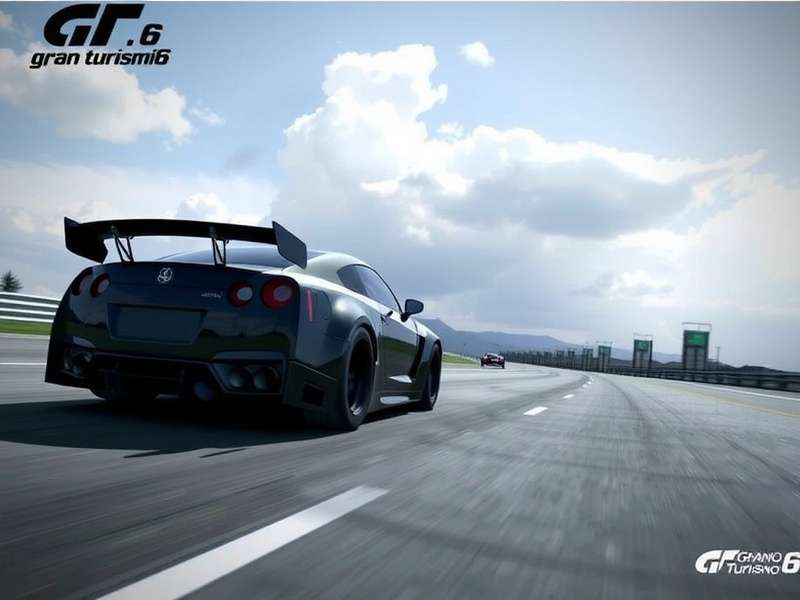
Game Overview & Exclusive Development Insights
Landing just three years after its predecessor, GT6 was not merely an incremental update but a comprehensive overhaul. While many anticipated a PlayStation 4 launch title, Polyphony Digital made the strategic decision to harness the untapped potential of the PS3. The result? A game that pushed the console's CELL processor to its absolute limits, delivering a fluid 60fps at 1080p – a rare feat for its time.
Gran Turismo 6 By The Numbers
- Total Cars: 1,232 (including 7 new Vision GT models at launch)
- Track Locations/Layouts: 33 / 71 (with the legendary Circuit de la Sierra added as DLC)
- New Physics Model: Suspension & tyre calculations updated from GT5
- Course Maker: Utilised real-world satellite data
- Sound Files: Over 16,000 newly recorded engine and exhaust notes
One of the most significant yet underreported upgrades was the complete revamp of the sound engine. Fans of the series had long criticised the flat, synthetic engine notes. In response, Polyphony embarked on a global recording spree, capturing everything from the raspy idle of a classic Mini Cooper to the visceral scream of a Red Bull X2014 Prototype. This attention to aural detail significantly enhanced the sense of immersion, making the cockpit experience palpably real.
The Garage: Cars, Tuning & The Vision Gran Turismo Revolution
The car list in GT6 is a historian's dream and a petrolhead's paradise. Ranging from the humble 1962 Volkswagen 1200 to the futuristic Volkswagen GTI Roadster Vision Gran Turismo, the curation speaks volumes about the developer's philosophy. Each vehicle isn't just a 3D model; it's a digital homage with accurate weight distribution, gear ratios, and power curves.
Tuning Deep Dive: The tuning mechanics in GT6 are arguably the most comprehensive in any mainstream racing game. Beyond simple power upgrades, players could adjust:
- Limited-Slip Differential (LSD): Fine-tune acceleration, deceleration, and initial torque for precise handling.
- Suspension Geometry: Modify camber, toe, and ride height with real-time visual feedback on the alignment screen.
- Aerodynamic Balance: Independently adjust front and rear downforce, crucial for high-speed stability on tracks like Monza.
The introduction of the Vision Gran Turismo project was a masterstroke. It invited real-world manufacturers to design fantasy cars unshackled by regulations. Brands like Mercedes-Benz, BMW, and Aston Martin delivered stunning concepts that blurred the line between game and automotive showcase. These cars weren't just for show; they handled uniquely, teaching players about theoretical aerodynamic principles and power delivery.
Track Ecosystem: From Real-World Circuits to Fantasy Roads
GT6's track roster masterfully blends authenticity with imagination. Laser-scanned recreations of the Nürburgring Nordschleife and Suzuka Circuit set the standard for accuracy. Meanwhile, original creations like the Eiger Nordwand and Deep Forest Raceway offered thrilling, game-first driving experiences. The standout addition was the “GPS Data Compatibility” feature. Using data from handheld devices, players could trace any road in the world and generate a rudimentary track layout. While limited by the tech of the time, it was a prophetic glimpse into user-generated content.
For a complete look at how track design evolved, explore our history of iconic circuit designs in racing games.
Matterhorn: A Technical Showcase
The Matterhorn Drift track, set against the Swiss Alps, was more than a visual spectacle. Its variable altitude and dramatic camber changes directly impacted car physics. Engine power dropped slightly at the highest point due to the thin air—a subtle detail that hardcore sim enthusiasts celebrated.
Gameplay Evolution & The Online Infrastructure
GT6 marked a decisive shift towards a connected, service-based model. The Seasonal Events, updated weekly, kept the community engaged for years. These events ranged from simple time trials to challenging races with specific car restrictions, often offering generous credit rewards. This model directly influenced the live service approach seen in later titles like Gran Turismo 7 Daily Races.
The Community Features were revolutionary. Players could create and share detailed liveries, replay videos, and tuning setups. The best creations were highlighted in the game's homepage, fostering a vibrant ecosystem of creators. This social framework proved that a simulation-focused game could have a passionate, sharing community.
Legacy, Influence & The Bridge to Gran Turismo 7
GT6's legacy is multifaceted. It proved that a last-gen console could deliver a next-gen experience through software mastery. Its Vision GT project created a new marketing paradigm for car manufacturers. Many concepts, like the Audi e-tron Vision Gran Turismo, later influenced real-world design studies.
The game also served as a crucial technological bridge. The physics engine refinements and the “PBR-like” (Physically Based Rendering) material shaders developed for GT6 became the foundation for Gran Turismo 7 on PS5. Players moving from GT6 to GT7 immediately felt a familiar, yet vastly enhanced, handling model.
Interestingly, the demand for portable GT experiences persisted, as seen by the enduring popularity of the Gran Turismo PSP Rom among enthusiasts.
Community & Cultural Impact
Beyond the game itself, GT6 cultivated a global community. Forums buzzed with tuning setups for specific Seasonal Events. YouTube channels dedicated to “credits grinding” routes (like the infamous Goodwood Mini event) garnered millions of views. The game's photomode, “Photo Travel,” allowed players to place their cars in stunning global locales, spawning virtual photography as a sub-hobby.
This cultural footprint extended beyond gaming. The game was featured in automotive media outlets and even inspired segments on programmes like Zdf Mediathek Gran Turismo. The line between virtual and real-world motorsport continued to blur, a trend that culminated in the Gran Turismo film based on the GT Academy.
Community Voice: Rate & Review GT6
Share your experience. How does GT6 rank in your personal history of Gran Turismo Games In Order?
Post a Detailed Comment
Looking Forward: The Enduring Quest for Realism
While fans eagerly discuss possibilities like Gran Turismo 7 PC Download, the legacy of GT6 reminds us that innovation is often iterative. It took the bold steps—Vision GT, community features, a refined physics core—that allowed the series to leap forward. For many, it remains the most complete package on the PlayStation 3, a testament to the art of squeezing every last drop of performance from hardware. It's not just a game; it's a time capsule of automotive passion at the end of a console generation.
Final Drive: Gran Turismo 6 is more than the sum of its specs. It's the culmination of Kazunori Yamauchi's relentless pursuit of perfection. It's the game that taught a generation about weight transfer, slip angles, and the pure joy of a perfectly balanced machine on the perfect stretch of tarmac. In the pantheon of great racing games, its pole position is secure.