Gran Turismo 5: The Pinnacle of PlayStation 3 Racing Simulation 🏁
Last Updated:
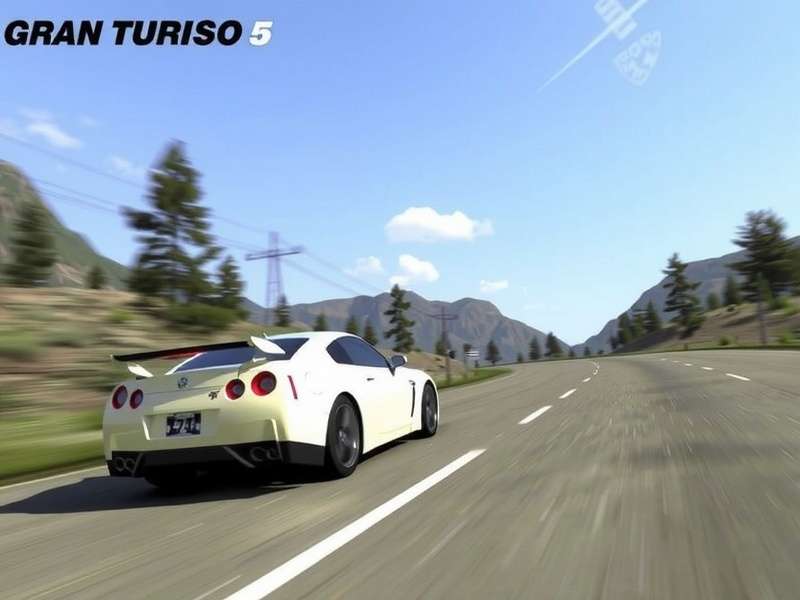
Gran Turismo 5's iconic cover art featuring premium car models – a visual leap for the series.
For many petrolheads and sim racing aficionados, the wait between Gran Turismo 4 and the fifth mainline entry felt like an eternity. Announced in 2005 but not released until November 2010, Gran Turismo 5 (GT5) represented a monumental shift for Polyphony Digital. It wasn't just an update; it was a complete overhaul for the PlayStation 3 era, aiming to bridge the gap between the passionate hobbyist and the professional driver. This deep dive explores why GT5 remains, to this day, a landmark title in racing simulation history.
📊 Gran Turismo 5 at a Glance
Release Date: 24 November 2010 (EU) | Platform: PlayStation 3 | Developer: Polyphony Digital | Cars: 1,083+ | Tracks: 27+ layouts | Key New Features: Dynamic Weather & Day/Night, NASCAR & WRC Licenses, Course Maker, Stereoscopic 3D Support
1. The Quantum Leap: From Standard to Premium 🚀
The most-discussed aspect of GT5 was its two-tiered car classification. Polyphony Digital meticulously crafted over 200 "Premium" cars with full interior views, detailed damage modeling, and functioning headlights. The remaining 800+ "Standard" cars were upscaled from GT4, lacking interiors. This decision was controversial but underscored the studio's commitment to quality where it mattered most. Driving a Premium model like the McLaren MP4-12C felt fundamentally different—the cockpit view, the reflection on the dashboard, the working wipers in rain—it was immersive in a way no other console racer achieved.
1.1 The Sound of Horsepower: Aural Fidelity
GT5 marked a significant improvement in audio design. Engine notes were recorded from real vehicles, capturing the distinct scream of a rotary Mazda 787B versus the turbocharged spool of a Nissan Skyline GT-R R34. The Doppler effect as cars passed by, the screech of tires on the Nürburgring Nordschleife's concrete, and the subtle gearbox whine in race cars added layers of authenticity. This focus on sonic detail helped players "feel" the car through their speakers or headphones.
2. The Heart of the Game: Career Mode & Progression 🏆
GT5's career mode, the Gran Turismo Life, was sprawling. Starting with a humble used hatchback, you progressed through license tests (a series staple), seasonal events, and specialized championships. The introduction of the Experience Points (XP) and Leveling system added RPG-like progression. You didn't just earn money; you earned a driver rank, unlocking new events and cars at levels 5, 12, 20, and the coveted level 40.
"Grinding the 24 Minutes of Le Mans in a Mazda Furai to reach level 40 was a rite of passage. The sense of achievement when that X2010 Prototype unlocked was unmatched." – GT5 Veteran Player
2.1 Special Events: From NASCAR to Top Gear
GT5 broke new ground with officially licensed NASCAR and World Rally Championship (WRC) events. Racing a stock car around Daytona or tackling a muddy Sardinia rally stage in a Ford Focus RS WRC expanded the game's palate dramatically. Furthermore, the iconic Top Gear Test Track was faithfully recreated, complete with "Star in a Reasonably Priced Car" challenges. These collaborations brought real-world motorsport flavour into the simulation. Fans of cinematic racing might also enjoy the gran turismo film crash scene analysis, which shows how virtual racing informs real stunts.
3. Technical Mastery: Weather, Physics, and Visuals 🌧️
The addition of dynamic weather and a full day/night cycle on select tracks was revolutionary. Racing at Circuit de la Sarthe (Le Mans) as dusk fell, turning on your headlights, and feeling the track temperature drop was magical. The rain effects, while not perfectly simulating aquaplaning initially, transformed races into strategic battles for tyre choice.
The physics engine took a major step forward. The difference between front-wheel drive, rear-wheel drive, and four-wheel drive was pronounced. Tuning settings—camber, toe, gear ratios, suspension—had tangible, sometimes drastic effects on handling. Mastering the tuning sheet was as important as mastering the track. This depth is something carried forward to modern titles, as seen in resources like the gran turismo 7 engine swap list.
3.1.1 The Photomode Legacy: Scapes & Museums
GT5's Photo Mode and "Photo Travel" locations set a new standard for in-game photography. The ability to place your car in real-world locations like Kyoto or Tuscany and manipulate depth of field, exposure, and angles resulted in stunning, near-photorealistic images. This feature, arguably, birthed a new community of virtual automotive photographers.
4. The Online Revolution and Community Legacy 🌐
GT5 featured a robust, if sometimes unstable, online infrastructure. Up to 16 players could race, with text and voice chat. The creation of online lounges and seasonal events with global leaderboards fostered fierce competition. The community also embraced the Course Maker, generating shareable custom tracks. This social aspect previewed the always-online focus of later titles. For those looking to experience the series today, many wonder about a gran turismo pc download option, though the series remains PlayStation-exclusive.
Related Gran Turismo Media & Guides:
- 📽️ Watch the official gran turismo game trailer for the latest titles.
- 🎬 Explore the making of the gran turismo movie based on a true story.
- 🔧 For modern tuners, check the gran turismo 7 engine swap list.
- 🏎️ Discover Bavarian performance in our bmw gt history feature.
- 📺 Catch up on documentaries via zdf mediathek gran turismo (German).
- 🎮 Considering the jump to VR? Read about gran turismo 7 psvr2 immersion.
- 📋 Plan your GT7 garage with the full gran turismo 7 car list.
5. The Enduring Influence and Comparison to Modern Titles 🔄
While Gran Turismo 7 on PS5 refines the formula with near-instant loading, ray tracing, and live-service elements, GT5's sheer scope and ambition remain iconic. It was the last GT to feature the beloved B-Spec mode (where you managed an AI driver) and its Special Events diversity has yet to be fully replicated. The game's influence is seen in the gran turismo film edit community, where gameplay footage is cut into cinematic sequences.
Discussions about bringing the franchise to PC persist, as seen in forums debating gran turismo for pc. However, GT5 stands as a pure, ambitious PS3 exclusive—a time capsule of late-2000s automotive culture and sim racing technology.
6. Master Class: Advanced Tuning for the Nürburgring Nordschleife ⏱️
Conquering the Green Hell requires more than bravery. Here’s a snapshot of a proven setup for a Premium Nissan GT-R R35 (600PP):
Suspension: Ride Height: -15/-15 | Spring Rate: 12.0/14.0 | Dampers (Ext/Comp): 7/6, 8/7 | Anti-Roll Bars: 4/5 | Camber: 2.5/1.8 | Toe: -0.10/0.05
Transmission: Set final gear to 4.000, then max speed to 149 mph. Adjust individual ratios for optimal pull out of low-speed corners like Adenauer Forst.
Aerodynamics: Downforce: 20/45 (prioritise rear stability).
LSD: Initial Torque: 10/12 | Acceleration Sensitivity: 30/35 | Braking Sensitivity: 15/20.
This setup emphasises stability over absolute rotation, crucial for surviving the Nordschleife's crests and compressions.
User Reviews & Community Score
Below, share your own rating and memories of Gran Turismo 5. How many hours did you log? What was your favourite car to tune?
🔄 Article last updated comprehensively on . We continuously verify data and incorporate community feedback.