Gran Turismo 4: The Pinnacle of PlayStation 2 Racing Simulation
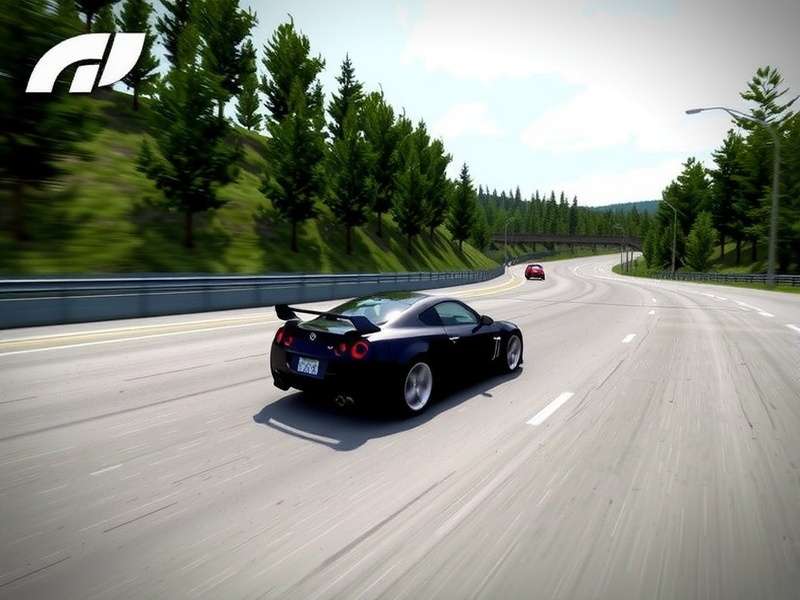
🏁 Introduction: The Game That Redefined Realism
Released in 2004 for the PlayStation 2, Gran Turismo 4 wasn't just another racing game; it was a cultural phenomenon and a technical marvel. Developed by Polyphony Digital under the visionary leadership of Kazunori Yamauchi, GT4 pushed the aging PS2 hardware to its absolute limits, delivering an unprecedented level of automotive authenticity. With over 700 meticulously detailed cars from 80 manufacturers and more than 50 real-world tracks (plus fictional circuits), the game offered a scope that was, and in many ways still is, unparalleled.
The "Real Driving Simulator" moniker was never more apt. From the nuanced physics governing tyre wear and weight transfer to the day-night cycle and dynamic weather on select tracks, GT4 created an immersive driving experience that catered to both casual petrolheads and hardcore sim racers. Its influence can be seen in every subsequent racing title, including the latest Gran Turismo 7.
🎮 Gameplay Mechanics: Beyond Just Racing
GT4's genius lay in its layered approach to gameplay. At its core was the iconic GT Mode—a sprawling career where you started with a modest budget, bought a used car, and worked your way up through licenses, events, and championships.
The B-Spec Revolution
One of the most innovative features was the B-Spec mode. This "co-driver" system allowed you to act as a race director, issuing strategic commands (like pace, overtaking aggression) to an AI driver. It wasn't just a gimmick; it was essential for enduring the gruelling 24-hour endurance races at the Nürburgring Nordschleife or Le Mans. Mastering B-Spec was a game in itself, requiring tactical foresight and race management skills that many players found deeply rewarding.
Licenses: The Brutal School of Precision
The license tests returned, more challenging than ever. Securing all gold medals in the S-license was a badge of honour, demanding pixel-perfect braking points and throttle control. These tests weren't merely hurdles; they were masterclasses in vehicle dynamics.
Hidden Gem: The Photo Travel Mode
Often overlooked, the Photo Travel mode was a technical showcase. Using a proprietary rendering technique, it allowed you to place your cars in stunning real-world locations like Hong Kong and Italy, and take high-resolution photos. This feature highlighted Polyphony's obsession with automotive beauty and served as a precursor to the sophisticated scapes mode in Gran Turismo 7.
🚗 Cars & Tracks: An Unmatched Catalogue
The car list was a dream come true for enthusiasts. It spanned a century of automotive history, from the 1886 Daimler Motor Carriage to futuristic concepts like the Nike One 2022.
Standout Icons
- Toyota Minolta 88C-V: The dominant Group C prototype, a monster on the Mulsanne Straight.
- Ford GT LM Race Car Spec II: A beautifully balanced mid-engine GT1 legend.
- Formula Gran Turismo: The game's original open-wheel car, providing a taste of F1-level performance.
The track selection was equally legendary. The inclusion of the full Nürburgring Nordschleife (the "Green Hell") in its terrifying, unadulterated 20.8km glory was a milestone. Circuit de la Sarthe (Le Mans), Suzuka, and the newly modelled New York City and Hong Kong street circuits provided incredible variety. The attention to track surface detail, camber, and kerb behaviour added crucial layers to the driving challenge.
This dedication to authenticity is a tradition continued in the series, as seen in the breathtaking track recreations in the recent Gran Turismo trailers for the latest titles.
⚙️ Advanced Strategies & Hidden Mechanics
Beneath its polished surface, GT4 hid complex systems that experts could exploit.
Tuning for Victory
The tuning shop was incredibly deep. Understanding how to adjust limited-slip differentials, suspension geometry, and gear ratios for specific tracks was key to dominating events. A well-tuned underpowered car could often outpace a stock powerhouse.
The Credit Grind (The Right Way)
While the "Like the Wind" event at Fuji Speedway was a popular credit farm, true masters leveraged the Special Conditions Hall. Events like "El Capitan" endurance could yield massive credits and rare prize cars like the Peugeot 905 Race Car more efficiently.
For players looking to apply similar strategic depth to modern titles, our guide on mastering Gran Turismo 7 with a DualSense gamepad covers advanced techniques.
📜 Legacy & Cultural Impact
Gran Turismo 4 sold over 11 million copies worldwide, cementing the franchise as PlayStation's flagship simulator. Its emphasis on car culture, history, and respect for engineering inspired a generation of automotive fans and future game developers.
The game's visual and auditory fidelity set a benchmark. The GT TV mode, featuring official motorsport documentaries, was an early form of in-game streaming. The soundtrack, a eclectic mix of classical, jazz, and electronic music curated by Yamauchi himself, became iconic.
Its influence extended beyond gaming. The accurate modelling of cars like the Mazda MX-5 and Subaru Impreza WRX STI served as a digital showroom for manufacturers. The line between the game and real-world motoring blurred, a theme later explored in the Gran Turismo film, which dramatises the journey from gamer to professional racer.
The PS2's Swan Song
As one of the last major releases for the PS2, GT4 represented the culmination of the console's capabilities. It demonstrated that artistic vision and technical mastery could overcome hardware limitations—a philosophy that continues to drive Polyphony Digital, as seen in their relentless pursuit of VR perfection with GT7 on PSVR2.
While fans have long hoped for a PC port (exploring the intriguing concept of Gran Turismo for PC), GT4 remains firmly and fondly a masterpiece of its era.
🤝 The Enduring Community
Nearly two decades later, a dedicated community keeps GT4 alive. Online forums exchange memory card save files packed with 100% completion data. Emulator enthusiasts push the game to 4K resolutions, revealing visual details that were hidden on CRT televisions. Time-trial competitions are still held for the Nordschleife.
This legacy of passion is a testament to the game's foundational quality. It created a template for what a comprehensive driving simulator should be—a template that every subsequent Gran Turismo, including the franchise's latest evolution discussed in our GT series retrospective, has built upon.
For those captivated by the human stories behind the wheel, the journey of Jann Mardenborough from GT player to Le Mans podium finisher is explored in depth in our look at the cast of the Gran Turismo movie.
Gran Turismo 4 is more than a game; it's a time capsule of automotive passion at the dawn of the 21st century. It represents a moment when the dream of possessing and mastering hundreds of the world's greatest cars became a virtual reality for millions. Its pursuit of perfection, its reverence for the automobile, and its unwavering commitment to the driver's craft ensure its place in the pantheon of not just racing games, but of all video games.